Choosing the right approach to captivating pictures of the heavens starts with clear context, practical filters, and realistic expectations.
Introduction to Pictures of the Heavens
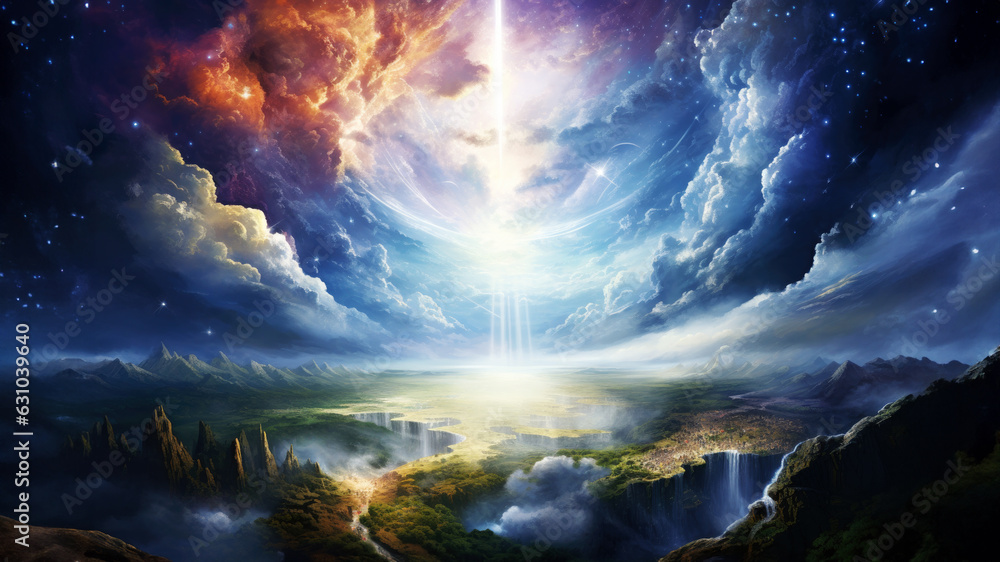
The heavens have long been a source of fascination for humans, with their breathtaking beauty and mysterious allure. From the majestic swirl of galaxies to the vibrant colors of nebulas, pictures of the heavens offer a glimpse into the vast and intricate universe that surrounds us. With advancements in technology and astronomy, we can now capture and explore these celestial wonders like never before.
The Beauty of Galaxies Galaxies are massive, gravitationally bound systems consisting of stars, stellar remnants, interstellar gas, dust, and dark matter. Pictures of galaxies reveal their stunning diversity, from
the spiral arms of the Milky Way to the elliptical shapes of distant galaxies. The Hubble Space Telescope has captured iconic images of galaxies, including the Whirlpool Galaxy and the Sombrero Galaxy. These pictures not only showcase the beauty of galaxies but also provide valuable insights into their formation and evolution.
Types of Galaxies
There are several
types of galaxies, each with its unique characteristics and features. Some of the most common types of galaxies include:
- Spiral galaxies: characterized by their spiral arms and central bulge
- Elliptical galaxies: shaped like ellipses, with little to no spiral structure
- Irregular galaxies: lack a distinct shape, often resulting from galaxy interactions
- Active galaxies: have extremely bright centers, thought to be powered by supermassive black holes
Nebulas: The Birthplaces of Stars
Nebulas are vast, interstellar clouds of gas and dust that give birth to new stars. Pictures of nebulas reveal their breathtaking beauty, with vibrant colors and intricate shapes. The Orion Nebula, one of the most iconic nebulas, is a stunning example of a star-forming region. Nebulas are not only beautiful but also play a crucial role in the life cycle of stars, as they provide the raw material for star formation.
Famous Nebulas Some of the
most
famous nebulas include:
- Orion Nebula: a star-forming region located in the constellation Orion
- Carina Nebula: a vast, star-forming region in the southern hemisphere
- Eagle Nebula: a young, star-forming region with a distinctive "pillars of creation" structure
- Lagoon Nebula: a large, star-forming region in the constellation Sagittarius
The Wonders of Planets Planets, ranging from small, rocky worlds to massive, gas giants, are a fascinating aspect of
the heavens. Pictures of planets offer a glimpse into their diverse landscapes and atmospheres, from the swirling storm clouds of Jupiter to the barren, rocky surface of Mars. The exploration of planets, both within our solar system and beyond, has greatly expanded our understanding of the universe and its many mysteries.
Exploring the Solar System
Our solar system consists of eight planets, each with its unique characteristics and features. Some of the most notable planets include:
- Earth: the only known planet to support life
- Mars: a potential candidate for human exploration and settlement
- Jupiter: the largest planet, with a massive atmosphere and numerous moons
- Saturn: known for its stunning ring system and diverse moons
Stars: The Building Blocks of Galaxies
Stars are the building blocks of galaxies, with their light and heat shaping the surrounding interstellar medium. Pictures of stars reveal their incredible diversity, from the bright, blue colors of young, massive stars to the cool, red colors of old, evolved stars. The life cycle of stars, from birth to death, is a complex and fascinating process that has captivated astronomers and scientists for centuries.
The Life Cycle of Stars
The life cycle of stars consists of several stages, including:
- Protostar formation: the collapse of a molecular cloud, leading to the formation of a protostar
- Main sequence: the star fuses hydrogen into helium, releasing energy in the form of light and heat
- Red giant: the star expands, fusing helium into heavier elements
- White dwarf: the star sheds its outer layers, leaving behind a hot, compact core
Capturing Pictures of the Heavens
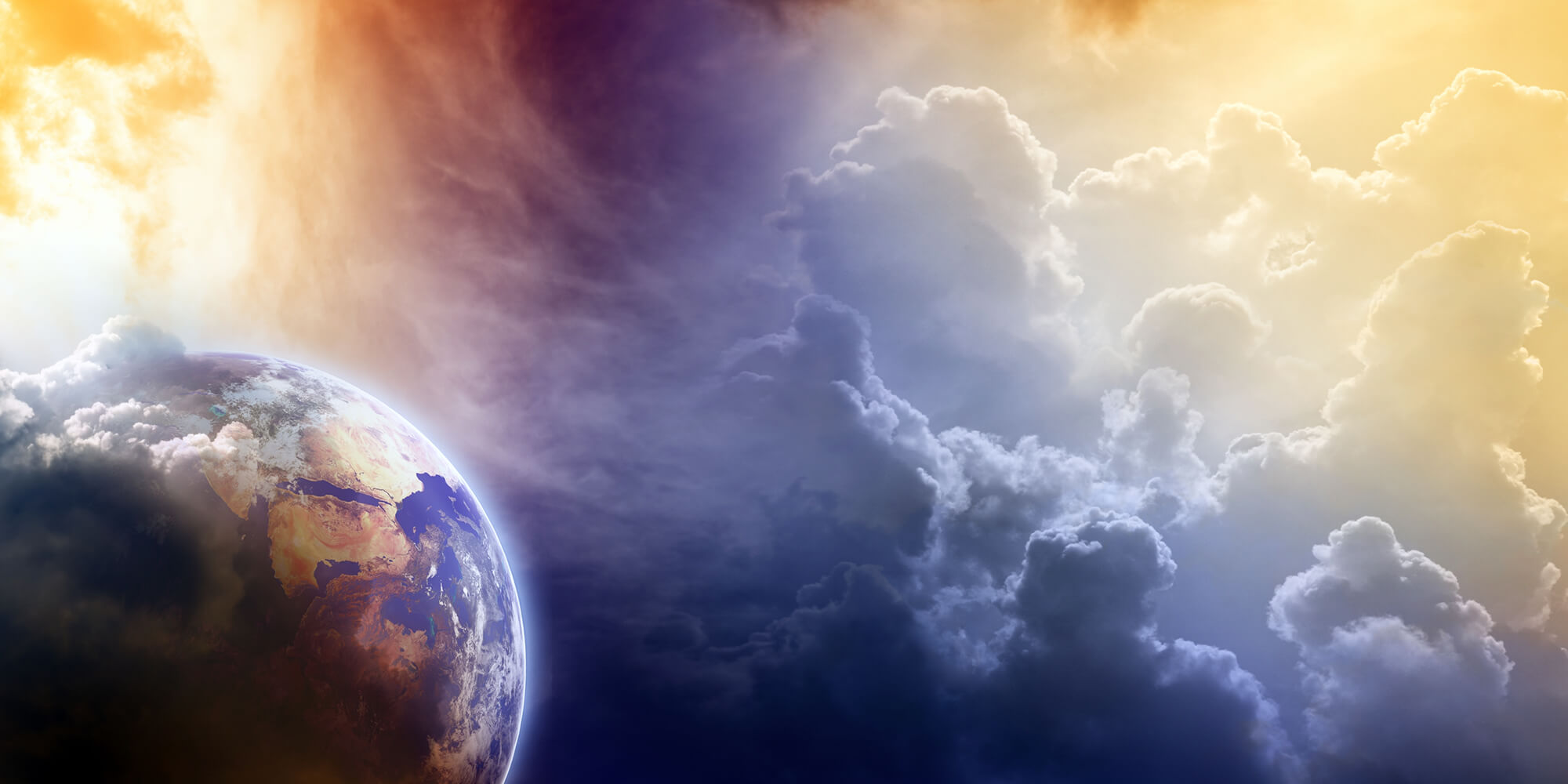
With the advent of digital cameras and telescopes, capturing pictures of the heavens has become more accessible than ever. Amateur astronomers and astrophotographers can now capture stunning images of celestial objects, from planets and stars to galaxies and nebulas. However, capturing high-quality images requires patience, skill, and practice, as well as a good understanding of astronomy and photography techniques.
Tips for Astrophotography Some
tips for capturing stunning pictures of the heavens include:
- Use a telescope or telephoto lens to capture high-resolution images
- Use a camera with manual controls, allowing for adjustments to exposure and focus
- Shoot in RAW format, allowing for greater flexibility during post-processing
- Use image processing software to enhance and refine the image
Software for Editing Pictures of the Heavens Several
software options are available for editing and enhancing pictures of the heavens, including:
- Adobe Photoshop: a popular image editing software with advanced features and tools
- GIMP: a free and open-source image editing software with many of the same features as Photoshop
- StarStax: a software specifically designed for astrophotography, allowing for the creation of star trails and other effects
- Autostakkert: a software for aligning and stacking images of the sun, moon, and planets
- PixInsight: a software for advanced image processing and analysis, popular among astrophotographers
Common Mistakes in Astrophotography When capturing pictures of the heavens, several common mistakes can occur, including:
- Overexposure: resulting in blown-out highlights and loss of detail
- Underexposure: resulting in noisy, dark images with little detail
- Poor focus: resulting in blurry, out-of-focus images
- Incorrect white balance: resulting in unnatural colors and tones
Conclusion
Pictures of the heavens offer a glimpse into the vast and intricate universe that surrounds us, revealing breathtaking beauty and mysterious allure.
From galaxies and nebulas to planets and stars, each celestial object has its unique characteristics and features, waiting to be explored and captured through the lens of a camera. Whether you are an amateur astronomer or a seasoned astrophotographer, the heavens offer a wealth of opportunities for discovery and creativity.


