For many Indiana residents, higher education feels out of reach—whether because of cost, time, or uncertainty about which path leads to real jobs. Ivy Tech in Indiana solves that problem. As the state’s largest public community college, it offers affordable, career-aligned programs that open doors across industries like healthcare, manufacturing, IT, and public services. More than just a stepping stone, Ivy Tech is a launchpad for thousands who want to gain skills quickly and enter high-demand fields.
Unlike traditional four-year universities, Ivy Tech focuses on practical outcomes: diplomas, associate degrees, and certifications that employers recognize. With more than 70 program areas and campuses in over 40 communities, it brings education within driving distance for most Hoosiers. This isn’t theoretical learning—it’s training built for Indiana’s economy.
What Is Ivy Tech in Indiana?
Ivy Tech Community College is a statewide institution with a single mission: to prepare Indiana residents for careers that matter. Founded in 1963 as a network of technical schools, it evolved into a comprehensive community college system serving over 180,000 students annually through credit and non-credit programs.
It’s not a single campus but a network—23 main locations and numerous extension sites across Indiana. This structure allows localized learning with statewide consistency. Whether you're in Evansville, Fort Wayne, or Indianapolis, you’re likely within an hour’s drive of an Ivy Tech location.
The college operates under Indiana’s Workforce Ready Grant initiative, which covers tuition for eligible students in high-demand fields. That means many Hoosiers earn their degrees debt-free—provided they’re pursuing eligible programs and remain Indiana residents.
Career-Focused Programs That Deliver Results
Ivy Tech isn’t designed for liberal arts majors or academic research. It’s built around vocational and technical training that aligns with employer needs. Program offerings fall into six key career clusters:
- Health Sciences
- Advanced Manufacturing & Skilled Trades
- Information Technology
- Business & Public Services
- Early Childhood Education
- Energy & Transportation
Each program includes hands-on training, industry certifications, and often paid internships. For example, the Practical Nursing program includes 600+ clinical hours and prepares students for the NCLEX-PN exam. Graduates from the Cybersecurity program earn CompTIA Security+ and Cisco CCNA certifications—credentials that significantly boost employability.
One standout: the Mechatronics Engineering Technology program. It’s a two-year associate degree that blends mechanical, electrical, and computer systems training. Students work on automated production systems used in real factories. Companies like Subaru and Rolls-Royce actively recruit from this program.
Other practical examples: - HVAC students install and service real units at the Indianapolis campus training lab. - IT students manage live networks in simulated data centers. - Dental Assisting graduates complete externships at local clinics.
This model works. Ivy Tech reports that 70% of its graduates are employed within six months, with average starting salaries between $35,000 and $50,000—competitive for entry-level roles in Indiana.
How Ivy Tech Fits Indiana’s Workforce Needs
Indiana’s economy relies heavily on manufacturing, logistics, and healthcare—all fields where Ivy Tech plays a critical role. The state has over 50,000 advanced manufacturing jobs and faces a persistent skills gap. Ivy Tech helps close it.
Take automotive manufacturing. With plants in Indianapolis, Lafayette, and Columbus, Indiana needs skilled welders, CNC operators, and industrial electricians. Ivy Tech’s Advanced Manufacturing programs produce these workers in as little as 12 to 18 months.
In healthcare, Indiana faces a shortage of nurses, medical coders, and lab technicians. Ivy Tech’s Health Sciences division is one of the largest in the Midwest. It trains over 12,000 healthcare students annually, helping hospitals like IU Health and Ascension maintain staffing levels.
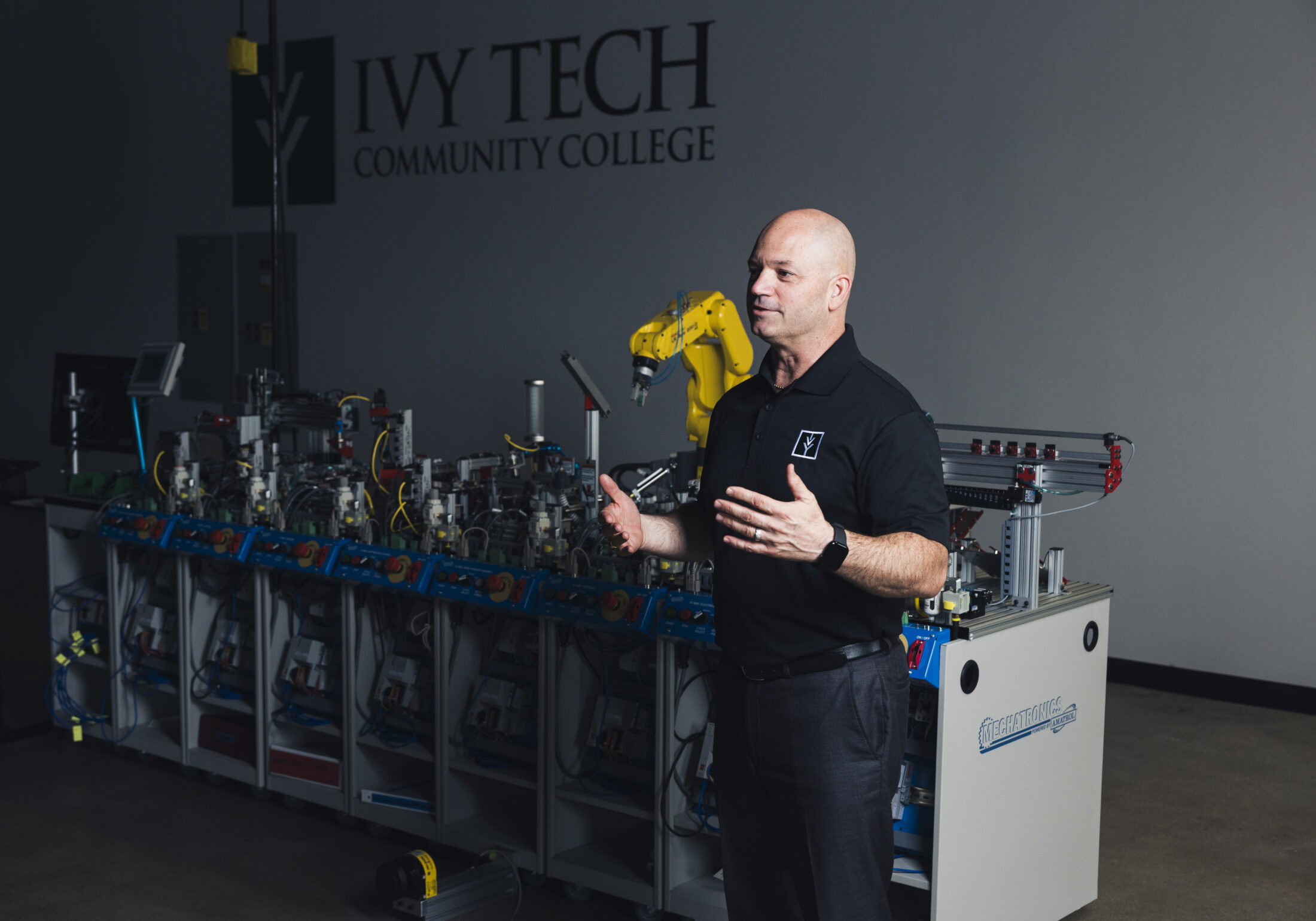
The college also partners directly with employers. Toyota, for example, collaborates with Ivy Tech’s Lafayette campus to train maintenance technicians. Employees attend classes while working, with tuition support from the company.
This employer-driven model ensures curriculum relevance. When automation increases in distribution centers, Ivy Tech updates its Logistics program to include robotic warehouse systems. When cybersecurity threats grow, IT courses expand penetration testing modules. The feedback loop between industry and instruction is tight and fast.
Affordability and Financial Access
Tuition at Ivy Tech is among the lowest in Indiana. For the 2023–2024 academic year, in-district tuition averaged $109 per credit hour. A full associate degree (60 credits) costs roughly $6,500—less than one year at most four-year schools.
But the real game-changer is the Workforce Ready Grant. It covers 100% of tuition for Indiana residents aged 19+ pursuing high-demand fields. Eligible programs include: - Nursing - Welding - Cybersecurity - HVAC - Commercial Truck Driving - Industrial Maintenance
There are no income requirements. If you’re pursuing a qualifying program and haven’t earned a degree, you likely qualify.
Additional aid options: - Federal Pell Grants - Indiana’s Twenty-First Century Scholars - Employer tuition reimbursement - Work-study programs
Many students combine the Workforce Ready Grant with Pell, covering all costs and even receiving stipends for books and supplies. This makes Ivy Tech one of the most accessible pathways to a stable career in the state.
Flexible Learning for Working Adults
Ivy Tech serves a diverse student body—not just recent high school grads, but also single parents, career changers, and veterans. That’s why flexibility is built into every level of instruction.
Most programs offer: - Day and evening classes - Hybrid and fully online options - Accelerated 8-week terms - Prior learning assessment (credit for work experience)
For example, the Business Administration program can be completed entirely online. Students access lectures, assignments, and faculty support through Ivy Online, the college’s digital learning platform.
Working adults benefit from stackable credentials. You can earn a short-term certificate—like Medical Coding (8 months)—start working, then return later to complete an associate degree. Each step builds toward higher pay and advancement.
One real-world case: A mother in South Bend completed the Pharmacy Technician program in 10 months while working part-time. She landed a job at a local CVS, then used tuition reimbursement to pursue an associate degree in Healthcare Administration—without increasing her out-of-pocket costs.
Campuses and Support Services Across Indiana
While Ivy Tech has a statewide presence, not all campuses offer every program. Students should verify local availability before enrolling.
Key campus strengths: - Indianapolis: Largest location; strong in IT, healthcare, and public safety - Lafayette: Home of the Advanced Manufacturing & Skilled Trades Center - Fort Wayne: Industry partnerships with Steel Dynamics and Parkview Health - Evansville: Focused on healthcare and energy technology - South Bend: Known for early childhood education and welding
Beyond classrooms, campuses provide essential support: - Career counseling and job placement - Tutoring and academic coaching - Child care assistance - Mental health services - Food pantries at high-need locations
The college also operates over 30 WorkOne career centers on or near campus. These co-located offices help students apply for jobs, write resumes, and access unemployment services—all in one place.
Common Misconceptions About Ivy Tech
Despite its reach and success, Ivy Tech is often misunderstood.
Myth 1: It’s only for low-skilled jobs. Reality: Graduates work as radiologic technologists, network administrators, and industrial engineers—roles requiring advanced technical knowledge.
Myth 2: Credits don’t transfer. Reality: Ivy Tech has articulation agreements with Indiana’s public universities. An Associate of Science in Computer Science, for example, transfers directly to IUPUI or Purdue as a junior.

Myth 3: It’s not “real” college.” Reality: Faculty hold advanced degrees and industry experience. Programs follow rigorous accreditation standards. The college is accredited by the Higher Learning Commission.
Myth 4: Online classes are less rigorous. Reality: Online programs maintain the same curriculum and pacing. Exams are proctored, and labs use simulation tools or local proctoring.
The bottom line: Ivy Tech delivers legitimate, respected education—just in a different format than traditional universities.
How to Get Started at Ivy Tech
Enrolling is designed to be simple, especially for Indiana residents.
- Step-by-step process:
- Explore Programs: Use the “Career Pathways” tool on ivytech.edu to match interests to jobs and programs.
- Apply Online: Free application at ivytech.edu/apply.
- Submit Transcript: High school or GED records.
- Complete FAFSA: Even if you expect aid, this unlocks the Workforce Ready Grant.
- Attend Advising Session: A mandatory orientation to finalize program and course selection.
- Register for Classes: First-semester schedules are often built during advising.
No placement tests are required for most programs. Instead, Ivy Tech uses multiple measures—like high school GPA—to determine course readiness.
Pro tip: Attend a “Future Student Day” at your local campus. You’ll tour labs, meet instructors, and get enrollment questions answered in person.
How Ivy Tech Compares to Other Indiana Colleges
| Feature | Ivy Tech | Public 4-Year (e.g., IUPUI) | Private College (e.g., Butler) |
|---|---|---|---|
| Avg. Annual Tuition | $6,500 | $12,000+ | $35,000+ |
| Program Length | 1–2 years | 4+ years | 4+ years |
| Focus | Career training | Academic degrees | Broad education |
| Workforce Grants Available | Yes (full tuition) | Limited | No |
| Hands-on Hours | 500–1,000+ | Varies | Minimal |
| Job Placement Support | Direct employer ties | Career center | Alumni network |
For students focused on getting hired quickly and affordably, Ivy Tech wins. For those seeking bachelor’s degrees or research opportunities, four-year schools make sense. But many students use Ivy Tech as a cost-effective first step—completing general education credits before transferring.
Final Verdict: Who Should Choose Ivy Tech?
Ivy Tech in Indiana is ideal for: - High school grads seeking career-specific training - Adults looking to retrain or upskill - Workers needing certifications fast - Parents or part-timers needing flexible schedules - Anyone wanting to avoid student debt
It’s not for students planning to pursue advanced academic degrees right away or those wanting a traditional campus experience with dorms and sports.
But if your goal is to gain skills, earn credentials, and land a job in Indiana—often in under two years—then Ivy Tech is one of the smartest moves you can make.
Start by visiting ivytech.edu, choosing your location, and speaking with an advisor. The path from application to employment is shorter than most realize.
FAQ
Can I transfer from Ivy Tech to a four-year university? Yes. Ivy Tech has transfer agreements with all Indiana public universities. Completing an Associate of Science or Arts makes you eligible to enter as a junior.
Is the Workforce Ready Grant available for online programs? Yes. As long as the program is on the eligible list and you’re an Indiana resident, online students qualify.
Do I need prior experience to enroll? No. Most programs are designed for beginners. Some healthcare programs require background checks or immunizations.
How long does it take to complete a program? Certificates: 6–12 months. Associate degrees: 18–24 months. Accelerated tracks can shorten timelines.
Are evening and weekend classes available? Yes. Most campuses offer night and weekend options, especially in high-demand fields like nursing and IT.
Can I attend part-time? Yes. Ivy Tech accommodates part-time students, and financial aid is available for those enrolled at least half-time.
Does Ivy Tech help with job placement? Yes. Career services include resume workshops, job fairs, and direct employer referrals. Many programs have guaranteed interview opportunities.
FAQ
What should you look for in Ivy Tech in Indiana: Your Gateway to Affordable Career Training? Focus on relevance, practical value, and how well the solution matches real user intent.
Is Ivy Tech in Indiana: Your Gateway to Affordable Career Training suitable for beginners? That depends on the workflow, but a clear step-by-step approach usually makes it easier to start.
How do you compare options around Ivy Tech in Indiana: Your Gateway to Affordable Career Training? Compare features, trust signals, limitations, pricing, and ease of implementation.
What mistakes should you avoid? Avoid generic choices, weak validation, and decisions based only on marketing claims.
What is the next best step? Shortlist the most relevant options, validate them quickly, and refine from real-world results.


